
How AI is changing music production in 2025?
Artificial intelligence isn’t the future of music production: it’s the present.
What started as experimental plugins and text-to-music experiments has now evolved into a practical, everyday toolkit for producers.
Whether you’re making beats in your bedroom or mixing full albums, AI in music production can help you work faster, stay creative, and even discover ideas you didn’t know you had.
But how far can you really go with it?
Let’s explore how AI is changing the way we make music and what it means for your workflow in 2025.
Idea generation: your new creative assistant
Blank project? Empty mind? AI’s got you.
Modern producers use tools like Udio, Mubert, or Soundful to generate starting points: melodies, chords, or even entire instrumental beds.
You can type a vibe, for example, “dark ambient track with 90s trip-hop drums” and within seconds, you’ll have a rough idea to shape into something original.
These tools don’t replace your taste. They spark it.
Use AI for inspiration, then refine the output with your own style and skills.
Tip: treat AI like a collaborator, not a composer. Let it suggest, but make the final call.
Sound design & synthesis
In 2025, AI-powered synths and samplers are rewriting the rules of sound design.
So many tools let you convert your voice into instrument tones, or transform MIDI into new timbres or generate fresh patches based on your preferences.
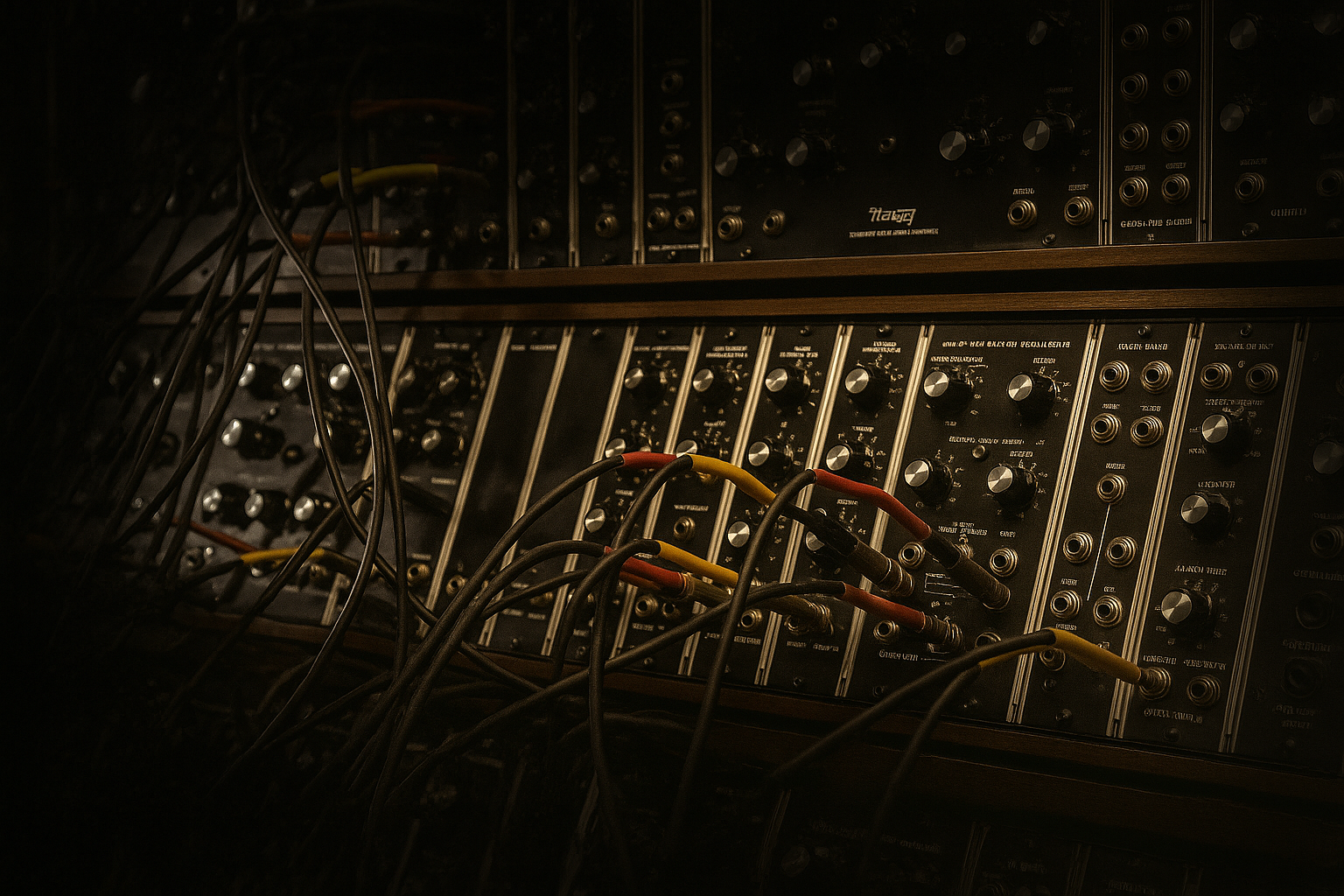
Even traditional synths are evolving since they now integrate AI modules that “listen” to your mix and suggest EQ or compression tweaks automatically.
Imagine this: you play a synth line, and the plugin subtly adjusts filter movement and velocity dynamics to fit the groove in real time.
AI is making synthesis more intuitive, more human, and more musical.
Mixing & mastering: machine ears that actually listen
Once considered a dark art, mixing and mastering are becoming more accessible thanks to machine learning.
Many plugins can analyze your track’s spectral balance and loudness, then apply adjustments to match professional references.
AI can now:
- Balance EQ across stems.
- Detect frequency masking automatically.
- Suggest reverb tails and stereo width.
- Even “learn” your personal taste from past projects.
Pro tip: use AI mastering as a second opinion, not a final say.
You’ll still want to train your ears, but it’s a great way to understand what your mix might be missing.
Collaboration & smarter workflow
Remote collaboration is no longer about file sharing. It’s about context. AI-powered platforms like Sienna Sphere webapp now integrate:
- Intelligent file versioning and backups.
- Real-time feedback with timestamped comments.
- Automatic mix comparisons and loudness analysis (LUFS).
- High-quality audio streaming for live review sessions.
- AI tools for stem separation and revoicing.
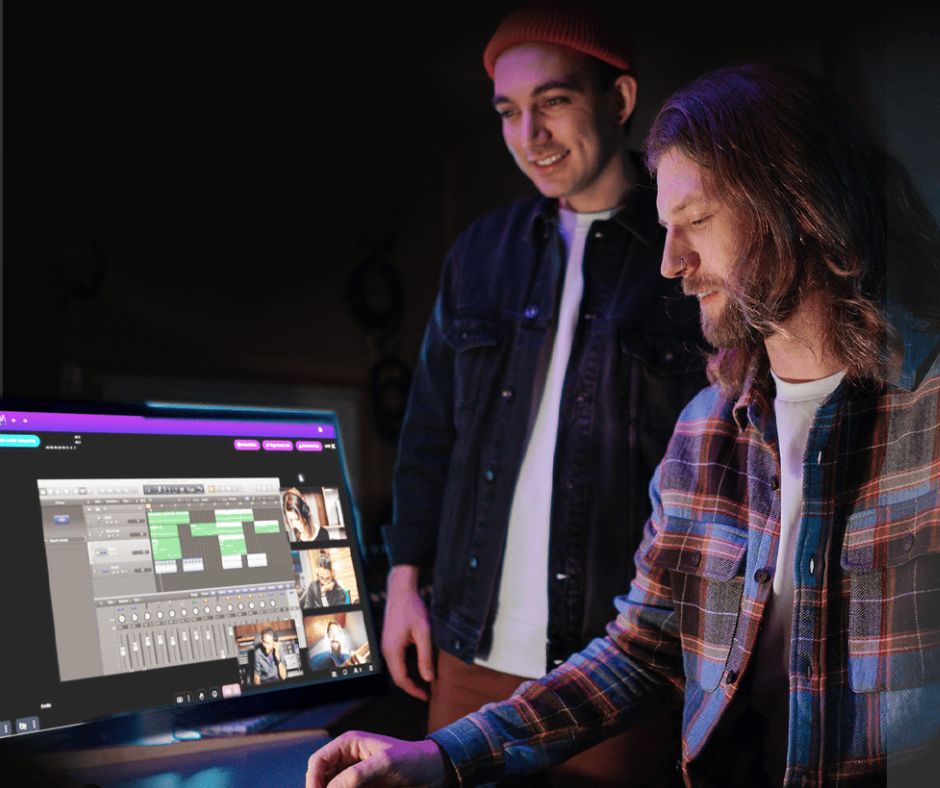
Imagine hosting a remote session where your collaborator hears your DAW’s output in lossless quality — no installs, no lag, just a link.
That’s the new era of collaboration and it’s powered by AI.
👉 Learn more: The Modern producer in 2025: the evolution of music production
AI for vocals: from voice conversion to separation
One of the most exciting (and controversial) frontiers is AI voice technology.
Today’s tools can:
- Clone or convert voices across singers.
- Separate vocal and instrumental stems with surgical precision.
- Pitch-correct, tune, or “re-style” performances in seconds.
Platforms like Acustica’s Sienna Sphere AI tools are being used daily for demos, remixes, and production drafts.
Learn more: AI Revoice
Used ethically, this is a revolution for creators who can’t always access live vocalists, it democratizes the creative process.
Creative control: keeping the “human” in the loop
The biggest fear among producers? That AI will make music sound soulless or generic.
But here’s the truth: AI doesn’t create emotion. YOU do.
The tools can enhance your workflow, but they can’t feel what you feel.
The best producers of 2025 use AI as augmentation, not automation. They know when to let the machine help, and when to take the reins.
AI can give you a perfect mix. But only you can give it meaning.
The future: adaptive studios and personalized sound
As AI gets smarter, expect your studio to become more like a creative partner.
Soon, DAWs will adapt to your style automatically preloading your favorite chains, routing instruments, and predicting your next move.
Plugins will evolve into “learning systems” that respond to how you work, creating a feedback loop between you and your tools.
And when that happens, producing won’t just be faster.
It’ll be more personal.
